
It’s becoming increasingly difficult to grab people’s attention and get people to respond with your moral imperative. Each of us is exposed to about 5,000 messages per day, according to current studies. We only recall approximately four of them. And we don’t remember them for very long either.
A significant number of those messages are delivered via channels, media, and gadgets that did not exist even three decades. According to the Information provider Letters, entrepreneurs have at least 60 ways to communicate with their clients.
What Are the Benefits of Direct Mail?
It’s effective. People enjoy receiving letters, particularly in today’s digital environment. While we may be overwhelmed by the amount of mail in our digital inbox, physical mail provides us with something tangible to touch, hold, and read at our leisure. In fact, for most of us, going here to mailbox and seeing what’s inside is a daily routine.
Mail fills an inherent human need, whether it’s a catalogue, a discount offer from a favorite restaurant, or maybe an invitation to a fundraising event. That’s why it’s so effective – and why direct mail is still one of the most effective ways to create leads and sales. It is supported by research.
According to the Direct Marketing Association, direct marketing ad spending, which includes direct mail, catalogs, television, telephone marketing, Internet marketing, and social networking, is expected to reach $196 billion by 2016, up from $163 billion in 2011.
It’s All About Preference
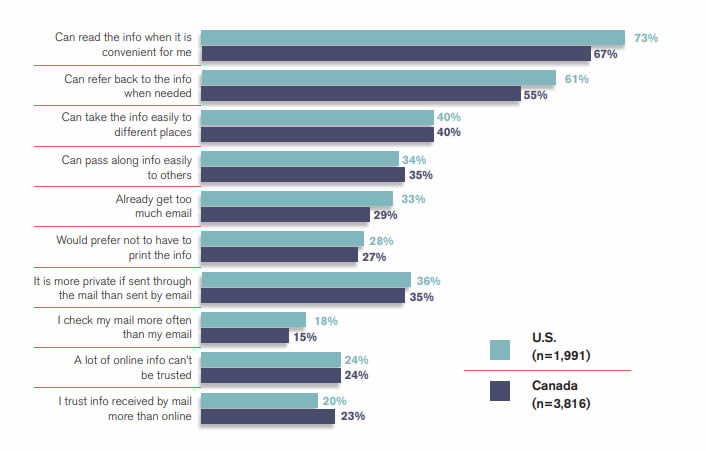
According to new research from Epsilon, direct mail continues a favorite marketing channel. More importantly, it shows that the people like receiving direct mail.
The Benefits of Postal Mail Over Email/Online
The Secret to Success via Direct Mail
Some people have made a career out of sending direct mail. These direct mail professionals have uncovered the secrets to direct mail success over the years. They are well-versed in all of the tricks and tactics for eliciting a higher response rate from direct mail and maximizing the return on their marketing investment.
What’s the secret of their achievement? It’s not even close to being a secret. Simply follow the rules (or know when to break them) and make small changes with each new effort to steadily enhance response. The same outcomes can be obtained by anyone. You can, too, by adopting tried-and-true, easy-to-implement procedures and using a rational approach. Continue reading for more advice on how to develop marketing communications that make it easier for recipients to reply than if you did nothing.
Avoid the Most Typical Direct Mail Mistake
The most common blunder made by businesses when it come to direct mail is combining it with advertising. Direct mail is far too effective (and expensive) a marketing tool to be squandered on brand awareness.
It’s critical to follow the principles of direct reply communications if you want to succeed with direct mail. That means sending your message to the public or businesses most likely to be receptive with an offer they can’t refuse.
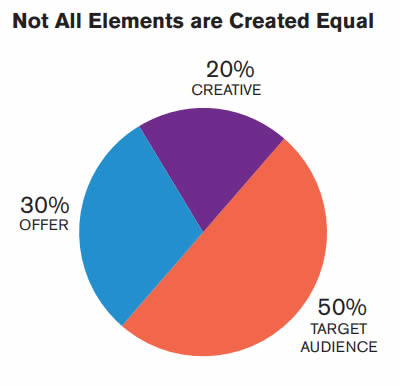
While you may believe that the language and art are vital to the success of your campaign, the target market and the offer are really responsible for the majority of your results (80%). So, before you start worrying about font size and envelope color, make sure you devote enough time to target selection and offer development. This is where a lot of your power is.
Direct Mail’s Three Components
- Each of these components of a direct marketing campaign plays a significant function, but they are not all equally crucial.
The target audience — identifying the most likely campaign participants. - The incentive — the driving force behind the proposal response
- The creativity – the copy, design, and communications format that effectively and compellingly communicates the offer.
Are You Connecting with the Correct People?
Nothing you say or do will be effective and if you’re not talking to the proper person. The majority of direct marketers select their audiences based on a mix of two factors: what they’ve done (behavior) and who they are (identify) (demographics). Behavioral features will always be the more strongly predictive of reaction among these two.
When data isn’t available, direct marketers are obliged to select audiences based on demographic criteria such as age, income, and gender, as well as enterprise kind and size and geographic region. The best way is to link the two: look for prospects that share sociodemographic characteristics with your best customers and who have previously replied to you or someone else.
Fundamentals must be listed.
The response of direct mail lists varies greatly, and they are evaluated in the following order:
- Your personal database, sometimes known as a “house file.” These are customers and inquirers with whom you have a previous relationship, and they are 5-10 times more likely than any other list to respond to your ad.
- Lists of responses These are folks who replied to a different marketer, such as magazine subscribers, event attendees, charitable supporters, or mail order purchasers. These lists will answer at a rate that is 3-5 times faster than compiled lists.
- a collection of lists These are the names of potential customers that have been gathered from phone books, government information, and other sources. Compiled names have a lower response rate than the first two categories, but they can still be effective if the right offer is made, and they have the advantage of covering a larger market.
Building Your Database: Several Suggestions
Look for ways to capture information beyond the basic address as you build your marketing list so you can contact them to continue the conversation. To discover who your best customers are, supplement your list with sales/purchase data from your own systems (so you can find more like them).
Enhance your consumer data for B2C businesses by collecting the following:
- Email address
- Marital status
- Birthday
- Family data (kids, pets, etc.)
- Hobbies
- Household income (HHI)
- Anniversary of when they first started doing business with you
- Occupation
- What they have bought
- Gender
- When they purchased (how often they purchase)
- Age
B2B companies need to improve their data by using:
- SIC (Standard Industrial Classification) or NAICS (North American Industry Classification System) code
- Recency, frequency and purchase history by date, dollar amount, or product
- Size of firm
- Revenues
- Number of employees
- Communications history
- Response to your marketing programs
- Source of inquiry or order
- Date and purchase details of first
inquiry or order - Additional decision makers
Many data vendors offer append services that allow you to obtain some of this value-added information that can be used for future targeting
Make them an irresistible offer.
Your offer’s purpose is to persuade the respondent to take action. Your target will most likely do nothing if you don’t provide them a compelling cause to reply.
For the prospect, a superb offer has a high perceived value. This does not necessary imply that it costs you a lot of money to gift, but it does imply that your recipient values it. It’s straightforward, simple to explain, and easy to absorb.
A compelling offer is one that conveys a sense of urgency. You can create urgency by limiting the amount of time or the number of people who can respond right away. It is appealing to your target demographic, but it is not original.
Offers that have been tried and true
By chatting to your salespeople and customer service agents, as well as keeping an eye on the competition, you can develop offer strategies.
Discounts are available.
- Buy one, get one free
- Percentage off
- Dollars off
- Rebate
- Introductory price
- Seasonal discount
Payment terms are offered.
- Free trial
- Bill me later
- Installment billing
- Money-back guarantee
- Free shipping
Promotions
- Premium on inquiry
- Premium on order
- Premium on payment
- Free sample
- Sweepstakes, contests
- Free downloads
Valuable information (B2B Marketers)
- Best practices white paper
- Research report
- Subscription to newsletter (Print or email)
- Case study
- Cost calculator
